
Wearables have revolutionized how clinical trials collect health data from participants. These devices offer numerous potential benefits for researchers and patients by enabling remote, continuous monitoring.
However, as with any new technology, there are challenges and considerations to consider when incorporating wearables into your clinical trial design. Let's explore the pros and cons of wearing wearables in clinical trials to help you determine whether wearable-powered research suits your study.
Wearables in clinical trials are devices used to collect health data remotely from participants. These devices enable continuous, real-time monitoring of various physiological parameters, such as heart rate, activity levels, sleep patterns, and more.
By providing a constant stream of objective data, wearables offer researchers unprecedented insights into participants' health status and response to interventions. Some common examples include:
Devices like Fitbit or Garmin that track activity levels, sleep, and basic health metrics.
Advanced parameters including ECG and heart rate variability (e.g., Apple Watch).
Continuous glucose monitors or ECG patches designed for specific therapeutic monitoring.
Ability to collect continuous, objective data from participants rather than relying on sporadic clinic visits. This captures subtle changes missed by intermittent assessments.
Remote monitoring makes it more convenient for participants to stay involved, which is vital for chronic condition trials. It also allows for more diverse and representative study samples by removing geographical barriers.
Reduced need for in-person visits lowers operational expenses related to travel and staffing. Real-time data processing accelerates acquisition and analysis, facilitating faster decision-making.
Ensuring participants use devices correctly and consistently while verifying data against gold-standard clinical measures.
Guaranteeing data collection complies with regulations like HIPAA via strong encryption and secure authentication.
Harmonizing large volumes of data in different formats from various device manufacturers and platforms.
Addressing data ownership and ensuring participants are fully informed about how their data will be accessed and shared.
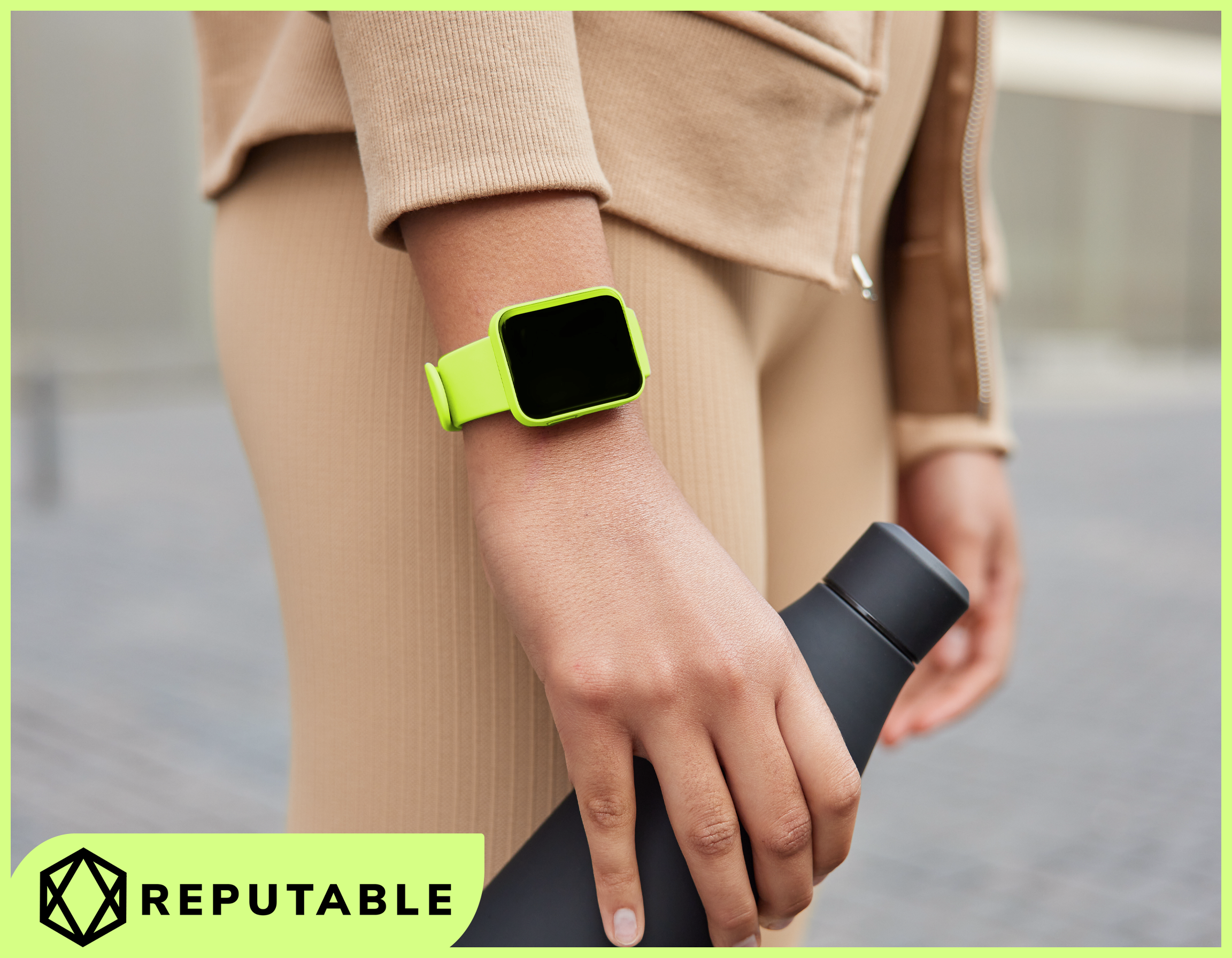
Wearables in clinical trials operate through a seamless data collection, transmission, and analysis process. When you participate in a wearable-based study, you are provided with a device that continuously monitors and records health parameters comfortably and unobtrusively.
The information is securely transmitted wirelessly to remote servers. Throughout the trial, researchers monitor data in real-time, enabling them to track health status, identify potential issues, and make informed decisions about the study's progress.
Generally, wearables improve data accuracy and provide deeper insights into treatment efficacy. However, accuracy and validation require robust processes, and privacy concerns must be addressed through strict compliance measures.
Partnering with experienced providers specializing in wearable-based studies can help navigate these complexities. If you're interested in contributing to research, consider joining a study that utilizes these technologies.
At Reputable Health, we specialize in integrating wearables into clinical trials, addressing challenges in accuracy, privacy, and interoperability. Book a Call today to explore tailored solutions for your research.
Consult Our Experts